Thursday, 4:12 p.m.: The call
In March 2024, I was three minutes from leaving my desk when the phone rang. A general contractor on a downtown Chicago high-rise project had a steel pick scheduled for Monday at 6 a.m. Their crane plan had fallen apart. They asked for a Manitowoc 999 crane. Normal lead time: 6 to 8 weeks. We had 72 hours—no, 66 by the time NDA, insurance, and site paperwork started moving.
I coordinate emergency equipment orders for a crane rental and industrial supply company. I have handled 120+ rush orders in 11 years, including same-day turnarounds for contractors, rigging companies, and plant maintenance teams. My first question is never 'What model do you want?' It is 'What time do you actually need it lifting?'
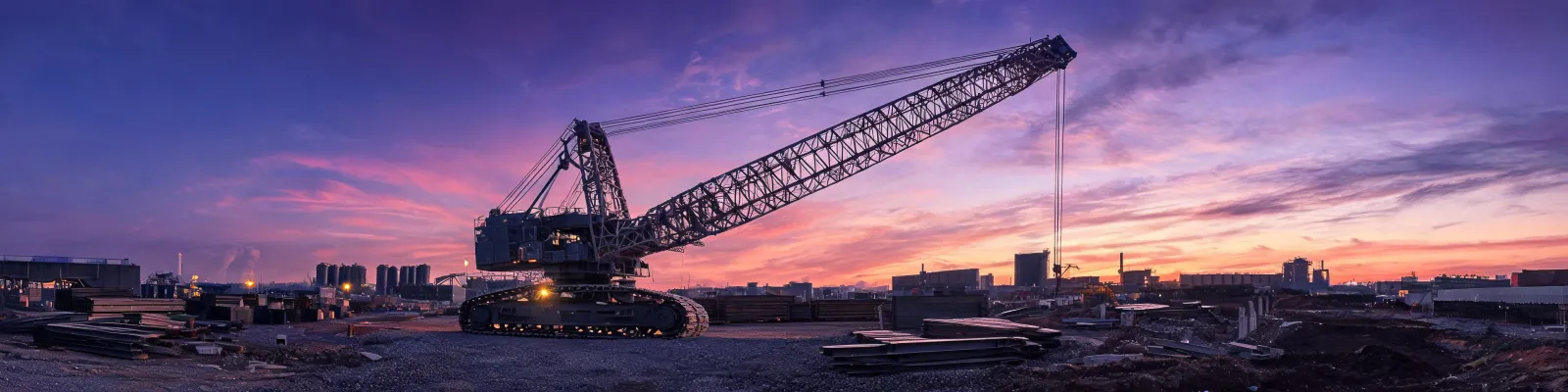
They wanted the 999 because an engineer had specified it on a similar job. That made sense on paper. The Manitowoc 999 crane is a legendary lattice-boom crawler. But a downtown high-rise site is not paper.
First mistake: treating the crane catalog like a menu
It is tempting to think you can open a crane catalog, pick the model with the biggest number, and be done. But a Manitowoc 999 crane's real capacity depends on boom length, radius, counterweight, load chart, ground bearing pressure, and site access. The model number is the start of the conversation, not the answer.
Most buyers focus on max lifting capacity and completely miss transport permits, assembly area, and OEM parts availability. I have done the same thing. In 2019, I lost a $40,000 rental because I quoted a crane without checking whether the boom sections could legally move on Illinois highways without a superload permit. The crane was available. The permit was not.
So this time, I pulled the Manitowoc crane catalog and started with constraints:
- Could a 999 get to the site? A Manitowoc 999 crane can require multiple truckloads for counterweights, boom sections, and tracks. Downtown Chicago means lane closures, police escorts, and limited staging.
- Could it be assembled? Lattice-boom crawler assembly is not a two-hour job. It can take days with the right crew and an assist crane.
- Could the ground take it? Old fill, vaults, underground parking, and utility lines are common in city cores.
- Were OEM parts available? If a pump, control module, or boom section needed service, we could not wait on a generic aftermarket part.
The client's real picks were 18,000 pounds at 90 feet radius. A Manitowoc 999 crane could probably make those picks with a short boom. But so could a smaller crawler or a large hydraulic mobile crane—with far less site disruption. That was the first red flag.
Friday, 9:30 a.m.: The distributor calls
I called four city crane distributors. Not all of them advertised Manitowoc. Some focused on rough-terrain and all-terrain units. Others handled overhead crane systems for indoor plants. A city crane distributor buying guide should separate those categories, because they solve different problems.
One distributor had a Manitowoc 999 crane in its yard. Should mention: it was already committed to a bridge job in Indiana. Another had a 999 coming off rent in two weeks. Too late. A third offered a newer large crawler, but the transport and assembly estimate added $28,000 and three days. We had 66 hours.
This is where the story could have gone bad. The client wanted the exact model from the catalog. Their project manager was getting pressure from the owner. I could have forced the 999, charged the expedite fees, and hoped the permits cleared. I still kick myself for almost doing that. If the lane closure had been denied, the crane would have sat on a lot 180 miles away while the steel crew stood around.
Instead, we asked for the load charts and the actual lift plan. The engineer had specified a 999 for a previous site with a 240-foot boom and a 40,000-pound pick. This site needed 18,000 pounds at 90 feet. The 999 was overkill. In my opinion, that is one of the most expensive mistakes in crane procurement: buying for the worst-case lift you can imagine instead of the lift you actually have.
Saturday, 2:15 p.m.: The pivot
We proposed a smaller Manitowoc lattice-boom crawler from a regional dealer, plus a 300-ton hydraulic mobile crane for the picks that needed extra reach. The crawler could be trucked in four loads. The mobile crane could enter the site from the street. The dealer had OEM parts on the shelf for the crawler, including a hydraulic pump and boom pin kit. That mattered because the old crane on site had a leaking lift cylinder.
Was it a Manitowoc 999 crane? No. That was the honest limitation. If your project truly needs a 999—long boom, heavy pick, poor ground, and enough staging—you should plan months ahead, not days. If you are trying to rent a 999 for a tight downtown lot, the crane is probably not your bottleneck. Permits, assembly, and ground bearing are.
We paid $9,800 in expedite and freight fees on top of the base rental. The original 999 plan would have added $28,000 in transport and assembly alone. We delivered the crawler at 10 p.m. Sunday. The steel pick started at 6 a.m. Monday. The client's alternative was a one-week delay and a $75,000 liquidated damages exposure, according to their project manager. Should mention: I did not verify that number independently. It was their estimate, not mine.
One more twist: the site also had a 10-ton overhead crane inside the parking structure, and its controls were failing. The contractor asked if we could source parts for that too. We could not—overhead crane systems are a different supply chain. If you need an overhead crane, start with a specialist who handles bridge cranes, hoists, runway beams, and control systems. Do not assume a mobile crane dealer stocks those parts.
What a city crane distributor buying guide should ask
After that week, I rewrote our internal rush-order checklist. If you are using a city crane distributor buying guide, these are the questions I would ask before you sign:
- What is the actual lift? Load weight, radius, height, and duty cycle. Not the model your engineer used on another job.
- Can the crane legally move to the site? Permits, escorts, curfews, bridge limits, and street closures. In Chicago, a downtown lane closure can take longer than the crane rental.
- Where will it be assembled? A Manitowoc 999 crane needs space, matting, and an assist crane. If the site is tight, that matters more than capacity.
- Who owns the ground? Get a geotechnical review. Underground vaults, utilities, and parking decks are not visible in a crane catalog.
- What OEM parts are on the shelf? Ask about common wear items: filters, hoses, pumps, brake parts, boom pins, and control modules. Aftermarket can work, but for critical-path equipment, OEM support reduces risk.
- What is the cancellation and standby policy? Weather, permits, and site readiness can change. Know the clock before you start it.
According to OSHA 1926.1417, crane equipment must be inspected before each shift, and deficiencies must be corrected before use. That is a minimum, not a guarantee. I am not an engineer, and nothing here replaces a qualified person's review of load charts, ground conditions, and site-specific lift plans.
A note on search terms: Manitowoc is not one catalog
If you found this page by searching for manitowoc ice machine parts, you are in the wrong supply chain. Manitowoc has a separate foodservice equipment business. Crane dealers do not stock ice machine compressors, bin controls, or water filters. I am not criticizing that business—it is just a different catalog, different distributors, and different technicians. Mixing the two search intents is a common reason buyers waste a day calling the wrong dealer.
For crane work, use the Manitowoc crane catalog, confirm the model, and verify the load chart. For overhead crane systems, go to an overhead crane specialist. For mobile or crawler cranes, ask a city crane distributor that actually handles the transport and assembly, not just the rental rate.
What I learned
The Manitowoc 999 crane is an impressive machine. It was also the wrong machine for that job. The rush order worked because we stopped treating the catalog like a menu and started treating the site like the real constraint.
If you are in the 80% of projects with a clear lift plan, good staging, and a few weeks of lead time, a standard distributor quote is probably fine. If you are in the other 20%—downtown site, 72-hour deadline, underground obstructions, or an engineer's spec from a different project—slow down. Ask about permits, assembly, ground bearing, and OEM parts before you ask for the model number.
And if someone promises a Manitowoc 999 crane, guaranteed, in 48 hours, with no engineering review? I would get that in writing. Then call someone else. Prices and availability change; verify current rates, lead times, and site requirements with the dealer and a qualified engineer. As of April 2026, the market for large crawler cranes is still tight in many regions, and rush fees are not small.