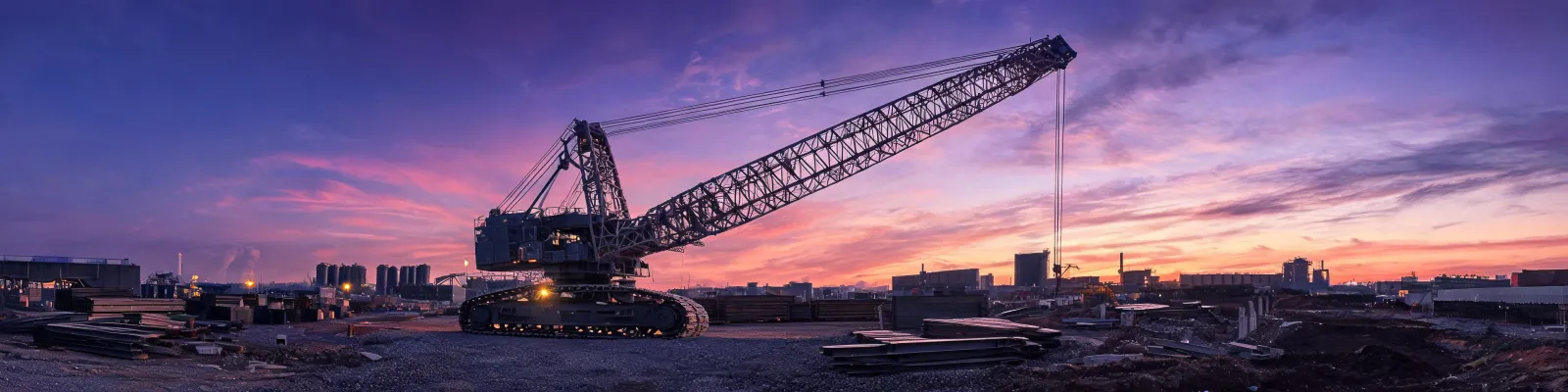
Quick note: If you arrived here looking for Manitowoc ice machine parts, this isn't that article. Manitowoc also has a commercial foodservice arm. This one is about the Manitowoc cranes side—mobile and crawler cranes, tower cranes, overhead cranes, hoists, and the OEM parts that keep them working.
I'm a quality/compliance manager at a crane company. I review equipment specifications before they reach customers—roughly 200 to 250 crane configurations a year, from truck-mounted units to lattice boom crawlers. In 2025, I rejected 14% of first equipment submittals because the specs didn't match the actual site or lift plan. The most common reason wasn't a bad crane. It was a bad specification process.
The Wrong Crane Isn't the Problem
A contractor calls and says they need a 300-ton mobile crane. They've already compared load charts. They've already picked a machine. They ask me to just confirm the spec.
Then we look at the site. The crane's rated capacity at that radius is fine. But the access road has a 12% grade, the gate is 11 feet wide, and the ground under the outrigger pads is reclaimed fill. The crane can't get to the lift point. The lift can't happen.
The crane was fine. The gate wasn't.
Why the Spec Goes Wrong
It's tempting to think a crane spec is a load chart and a price. But the chart is conditional. Every number on it depends on configuration and setup. And configuration is exactly what gets skipped when someone sends a one-line equipment request.
1. Load charts are conditional
According to ASME B30.5-2021, crane capacity ratings are only valid for the specific configurations, operating conditions, and setup procedures listed in the load chart. A 300-ton crane at 40 feet of radius with full counterweight and 130 feet of main boom lifts one number. The same crane at 140 feet of radius with a luffing jib and reduced counterweight lifts far less. The chart isn't wrong. It's just conditional. If you compare maximum capacities between models, you're comparing the one condition that rarely applies.
2. Site conditions aren't in the quote
OSHA's cranes and derricks rule (29 CFR 1926.1402) is direct: the controlling employer must ensure ground conditions are adequate before the crane is erected. That means someone has to walk the site and verify compaction, slope, and clearance. I've seen quotes that treat all of that as site prep and leave it to someone else. That's how you get a 150-ton crane sitting on a pad rated for half of what it needs.
3. Support certainty isn't a specification
This one surprises people. They'll spend hours negotiating the crane rate and almost no time on what happens when the crane breaks. Will the part be there tomorrow or next week? Is there a documented service procedure? Does the dealer have the lift chart revision history?
The price of a Manitowoc parts order is often not the issue. The issue is whether the part number is traceable and whether the delivery date is guaranteed. In February 2025, a customer paid a 12% expediting fee for a swing pin. The alternative was a week of crew standby at roughly $9,800 a day. The fee bought certainty, not speed. At least, that's been my experience on projects where the schedule actually mattered.
I don't have hard data on industry-wide specification error rates. But based on four years of reviewing submittals, my sense is that configuration errors show up in 10% to 15% of first-round releases. I wish I had tracked how often ground-bearing pressure was omitted. I'd bet it's over 40%.
What a Bad Spec Actually Costs
It's not just the rental rate. Let's run the arithmetic.
In Q3 2024, a contractor specified a 300-ton crawler for a refinery turnaround. The load chart worked. The crawler's transport weight didn't fit the route. They had to disassemble tracks, swap trailers, and pay three days of crew standby. Total overrun: $38,000. The crane itself performed fine. The spec didn't include transport.
That's the same mistake I see in crawler crane sourcing. Teams fixate on the maximum pick and forget that a crawler crane has to arrive, assemble, walk, and leave. A machine that's perfect for the lift can be a disaster for the site.
Bulk crane truck purchases—where you're replacing a whole fleet in a single order—create a different version of the same problem. Procurement compares chassis prices and skips the crane configuration details. I've seen five identical trucks land with three different crane models, different outrigger footprints, and no shared spare parts. Each one met its individual spec. The fleet didn't.
And then there's the cost of redoing a lift. In March 2024, one crew redid a lift because the first crane's configuration couldn't reach the final setting point at full extension. The load was within capacity, but the lift plan required a rigging angle the chart didn't address. The redo cost $22,000—no, call it $24,000 once the reconfiguration was included—and pushed the project to the edge of its deadline.
How to Build a Mobile Crane Specification Guide That Works
A good spec doesn't start with a model number. It starts with the job. Write the capability requirements, then let the crane meet them. This is the part of the process where you can save the most money, because you're catching problems before they become invoices.
The minimum checklist:
- Lift plan drawings with pick and set locations, radii, and clearances.
- Ground conditions, including bearing pressure, slope, and access route.
- Crane configuration: boom length, jib, counterweight, tracks/outriggers.
- Transport requirements for crawlers: gross weight, dimension, and route clearance.
- Spare parts and service plan with guaranteed response time.
- Documentation: load charts, rigging details, and inspection records.
That last line matters more than it looks on paper. In 2022, I implemented a verification protocol that requires every submittal to include the exact chart page and revision date. Before that, we caught issues late. Now the process is harder to skip, and our first-pass acceptance rate went up by about 18%.
Crawler Crane Sourcing: Ask About the Move, Not Just the Lift
For crawler crane sourcing, add three things: ground-bearing pressure under the tracks, minimum assembly clearance, and component transport weight. The crawler's travel configuration often weighs more than the truck that's supposed to move it. If the spec doesn't say who owns that logistics cost, you own it.
OEM Parts and the Value of Traceability
I'm not going to tell you that third-party repair parts are always wrong. That's an oversimplification. But I will tell you to demand traceability, engineering documentation, and load-test records before you use them. With OEM parts, you get a part number that ties to a documented configuration. With a used or generic part, you're relying on whatever documentation the seller provides. Sometimes that's complete. Sometimes it isn't.
If the crane is down, the cheapest part is the one that works the first time. The total cost of ownership includes the reinstall labor if the first part doesn't fit. It includes the second shutdown. It includes the delay. The lowest quoted price isn't the lowest total cost.
The value of guaranteed turnaround isn't the speed—it's the certainty. For deadline-critical work, knowing the part will arrive is often worth more than a lower price with estimated delivery.
The Bottom Line
A bad crane spec doesn't look bad on paper. It looks fine. It only becomes visible when the crane can't reach the lift, the ground can't hold the outriggers, or the part you need is probably on a truck somewhere.
Start with the job. Specify the site, the configuration, the logistics, and the support plan. Then choose the crane and vendor. That order might feel slower at first. It's not. It's the difference between paying for certainty and paying to find out.
Regulatory references are general guidance. Verify current requirements with official sources before relying on them in a lift plan.