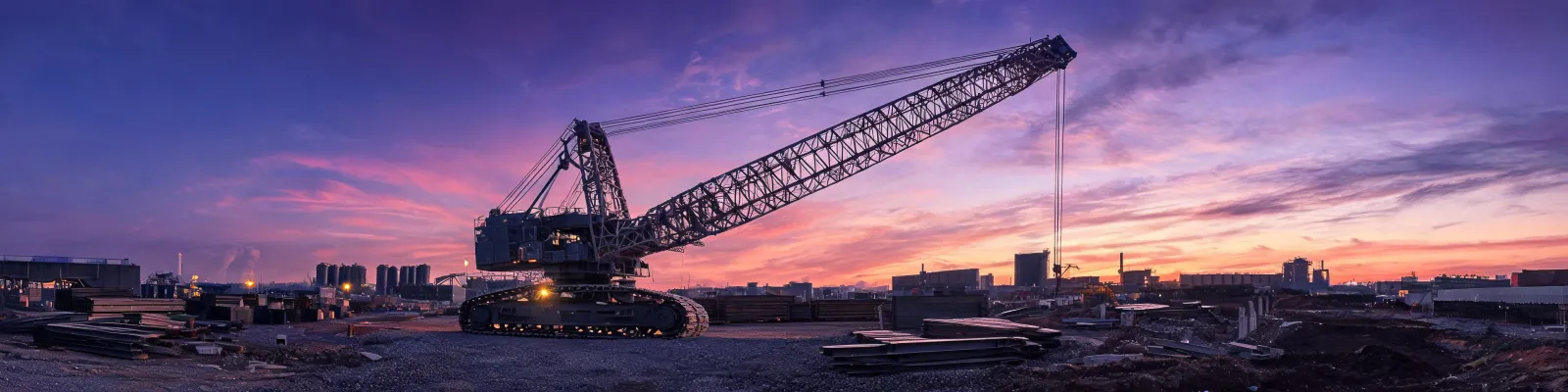
In March 2024, I was in a conference room with six vendor proposals spread across the table. We needed three 150-ton crawler cranes delivered to an infrastructure site in eight weeks — no float, no buffer, no exceptions.
I handle quality and brand compliance for a construction equipment company. I've been doing this about six years — first two on the procurement side screening vendors, the last four reviewing every deliverable that reaches a customer. In 2024, I reviewed somewhere around 200 vendor submissions: spec sheets, boom inspection reports, OEM parts traceability documentation, compliance records. About 18% of them I sent back before final approval. Give or take a few points — I'd have to check the system for the exact number.
Six candidates, three survived the first cut
The shortlist came from three sources: authorized Manitowoc crane dealer networks, a couple of bulk used crane traders, and two hoist supplier referrals. We do prefer authorized channels — not because aftermarket can't work, but because the traceability chain is cleaner.
Round one knocked out three of them on paperwork alone. The remaining three looked tight on the surface. One was a Manitowoc distributor with a spotless file. One was a bulk used crane seller with a price point roughly 20% below the dealer — actually closer to 18% once I added up the bundled pricing, but the per-unit comparison shifted depending on configuration. And one was a hoist supplier we'd used before on a smaller job.
So we scheduled site audits.
The audit that changed the outcome
The Manitowoc dealer was clean. Every boom section had a documented load history, wire rope fatigue inspection records were current, and the moment limiter calibration certs were all within date. Nothing flashy. Honestly, that's what you want — an audit where nothing surprises you.
The second vendor — the bulk used crane trader — was where things got interesting.
We pulled the load history on every boom section they'd listed. The first two machines checked out. The third one had three sections with a gap — not blank pages, but logged hours with no corresponding load test documentation. Their explanation: "We lost some records in an admin transition, but the machine's been running fine."
I've heard that line maybe twenty times. Most of the time it's genuine. But "most of the time" isn't the same as verified. And for structural components under ASME B30.5, if you can't produce a traceable load history, you can't confirm the safety envelope. Full stop.
When we dug into the sourcing on those sections, it turned out two of them came off a machine that had been written off as a total loss by an insurer. The seller called it "refurbished to spec." No OEM repair documentation. No independent engineering assessment.
We passed.
A few months later, I heard about a similar setup on another project — the boom sections flagged during pre-load testing before the crane ever went to work. Project sat idle for four days.
Something worth knowing about OEM parts sourcing
Small side note that trips people up more than it should. One of our parts buyers searched "manitowoc ice machine parts" — he was looking for a cheaper aftermarket equivalent for a hoist component — and got back a page of commercial ice machine listings. Manitowoc's foodservice business and its cranes business are two completely separate operations. Parts channels don't overlap. If you're specifying OEM components for a crane, you go through the crane dealer network or authorized channels. Searching broadly for "Manitowoc parts" will only get you half the picture.
He laughed about it. But it's a real confusion point that costs people time.
What I learned from getting it wrong early on
I wasn't always this cautious. My first two years, I approved things I shouldn't have. There was a batch of boom sections where I skimmed two pages of documentation and signed off. Turned out one section had a pin hole spacing that didn't match the main boom — not a load issue, but a fitment issue that required rework. Cost us maybe a week of delay. Not catastrophic, but enough that I remember it.
The lesson: five minutes of verification beats five days of correction. That expression is on a sticky note in my desk drawer.
In 2022, I built a 12-point checklist that every vendor submission goes through now. Load history on every structural section. Wire rope fatigue data. Moment limiter calibration certs. OEM part number cross-reference. Repair documentation on any rebuilt component. It's not glamorous, and it's added maybe two hours to my weekly review time. But it's caught at least seven or eight purchases that would've caused problems. If I estimate the rework cost on those, it's tens of thousands of dollars in avoided downtime.
What we actually ended up doing
We went with the Manitowoc dealer. Higher price. Cleaner paper trail. Every structural section had a load history you could trace back to delivery. Those three cranes ran on the project for fourteen months without a single compliance flag worth noting.
I'm not going to say the cheapest option never works. Sometimes it does. But the failures almost never show up at delivery — they show up six months later when something's under load and a record you can't produce becomes a question you can't answer.
If I had to boil it down to one thing: before you sign with any ton crane supplier, pull the load history on every boom and jib section. If any section doesn't have one, walk away. That single check has saved us more trouble than any price negotiation ever has.