How to Choose Tower Crane for Wholesale: Three Scenarios, Not One Answer
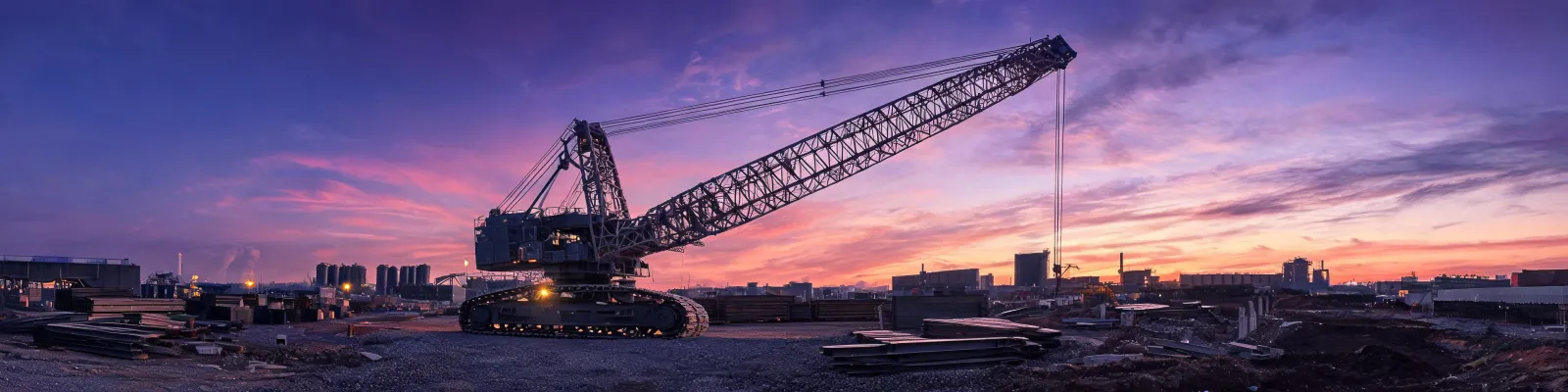
If the phrase that brought you here is “manitowoc ice machine parts,” you might be on the wrong page. That brand belongs to the foodservice equipment world. The Manitowoc I work around builds cranes—lattice-boom crawlers, mobile cranes, tower cranes and heavy-lift machines for construction and industrial plants. Different business, different safety rules, different problems.
I’ve been in equipment procurement since 2017, first for a contractor, then helping rental fleets make buying decisions. In that time I’ve worked through more than 90 crane orders and parts packages, and I’ve made enough expensive mistakes to fill a binder. My goal here is to give you the binder, not the bruises.
People ask me all the time how to choose a tower crane for wholesale. Should I buy a 100-ton crane wholesale from a factory? Is private label a good way to grow faster? There is no single answer. That sounds like a cop-out, but it’s true. Crane buying splits into three different scenarios, and mixing them up is exactly what wastes capital.
Scenario 1: you’re buying for a specific project. Scenario 2: you’re buying to rent out. Scenario 3: you’re rebranding someone else’s crane with your own name on it. Each has a different logic. Here’s how I’d decide now, after learning the hard way.
Buying for a Known Job? The Engineering Calls the Shots
This is the case I see most with contractors and plant owners. You have a project, the lift list is on the table, and you’re deciding whether you need a big crawler or an even bigger one. Or maybe you don’t need to buy at all.
The thing I learned slowly: when the crane is for a specific job, the machine gets selected by engineering, not by price per ton. Suppose you’re looking at a used Manitowoc 31000 crawler crane. It’s an impressive machine, but the brochure’s maximum capacity is almost irrelevant. What matters is what it can lift at the radius and boom length your project actually requires, with rigging weights, hook blocks, wind and ground conditions factored in. (Should mention: I ignored exactly this on a plant job in 2019.)
Back then I approved a purchase based on max rated load. Our critical lift was at a far radius. The machine was technically big enough on paper. On the day of the lift, the plan didn’t have the required margin. We had to bring in a larger unit from another state and the project sat idle for most of a month. That cost somewhere around $96,000 in schedule pain—money that had nothing to do with the crane’s sticker price.
So my first rule for project buyers: build a shortlist only after you have a written lift plan, and compare load charts at the actual configurations you’ll use. Second, don’t assume owning is better than renting. If only one major job is in your pipeline, a long-term rental often beats ownership once you add freight, erection, insurance, storage, operator training and resale risk. Buying only makes sense if the machine will keep working after the project. But if that’s true, you’re really in Scenario 2, and you should read that before signing anything.
Building a Rental Fleet? Bookings, Not Brochures
Rental companies buy cranes for the opposite reason. You don’t know exactly which jobs a machine will do next year; you only know that clients will call. That changes the whole decision.
My first rental-fleet mistake was choosing capacity the way I’d choose a project crane: bigger felt safer. I didn’t ask about utilization. I ended up with a large crawler that sat in the yard for months while smaller units worked almost every day. The biggest machine had the highest daily rate, but it also had the highest financing cost, transport cost and storage cost. If it only turns a few hundred hours a year, it isn’t earning its keep.
So when someone asks me about “ton crane wholesale” pricing, I stop them. If you don’t know the utilization demand for a capacity class, the price per ton is irrelevant.
For rental buyers, choose capacity based on your own market history, not a factory sales pitch. Then look at parts and service before you look at price. Can you get replacement parts in days? Does the brand have a local service network? Where is the nearest dealer? A machine might be 10% cheaper on paper, but if it waits weeks for a part, the rental loss eats that saving quickly.
Buying in batches also rewards standardization. If your fleet has one model family, you can stock common spares and your mechanics learn one platform. A mixed fleet is harder to support, especially when you’re choosing tower cranes. Tower crane masts and components are not interchangeable across brands. If you order a few bargain towers and one gets damaged, you could be waiting on a very expensive part from far away.
How I Choose a Tower Crane for Wholesale Orders Now
- Start with real projects: what radius do clients need, what hook height, and how much capacity at that radius?
- Compare load charts at the working radius where lifts actually happen, not at maximum capacity.
- Check free-standing height, tie-in requirements and foundation loads for the sites you expect.
- Ask for the OEM service record or a verifiable maintenance history. If the seller can’t produce it, walk away.
That last point matters more than most buyers realize. A used machine from an established manufacturer like Manitowoc can be a good value only if you understand its history and have a realistic parts plan. OEM parts and service may cost more than random aftermarket parts, but downtime is what actually kills rental margins.
The cheapest wholesale price is only cheap if the machine works when your client needs it. Customers remember breakdowns, not your margin.
The Overhead Crane Private Label Question
If you search for “overhead crane private label,” you’ll find factories happy to put your logo on their bridge crane. It sounds tempting: you set the margin, you own the customer relationship, and you don’t have to spend years building a product brand. But here’s the part that changed my view.
In 2022, I signed a private-label overhead crane deal with a factory whose unit price looked excellent. We did everything on paper. The first batch arrived, and the second crane had serious issues during commissioning. The factory pointed at their test certificates; we pointed at the crane. The customer didn’t care. The name on the side of the crane was ours. That mistake cost more than the profit from the entire first batch—and it damaged our credibility with that customer for a long time.
The trigger for me was a photo in the client’s group chat. It showed our logo above a problem we should have caught before shipment. That’s when I realized quality perception isn’t abstract. It’s a message you send with every machine you sell.
If you want to do an overhead crane private label the right way, treat it like your own manufacturing line, even though you don’t own the factory.
- Get the full engineering file before you commit: drawings, load test reports, material certificates, welding documentation and any compliance documents required in your market.
- Verify the product meets the safety standard that applies where you sell it. In the US that often means ASME B30.2 and OSHA 1910.179 for overhead cranes; in other markets, check the local standards and declarations of conformity.
- Send your own inspector or a third-party inspector to the factory before shipment. Don’t rely on photographs.
- Stock critical spares locally and confirm repair lead times before you take the first order.
- Start small. Validate the program with a handful of customers before you scale it.
I don’t have hard data on private-label failure rates across the whole industry. What I can say anecdotally is that every reseller I know who skipped inspections ended up paying for it, either in rework or in customer trust. You can be the one who doesn’t skip.
Which of These Buyers Are You?
If you have a confirmed project and a lift plan, follow the engineering scenario. Buy or rent for the actual loads and radii, and don’t override the engineer because the schedule is tight. I tried that once; the invoice from the emergency rental company is still in my head.
If you expect the crane to earn across many jobs and many customers, you’re building a rental fleet. Choose capacity from utilization data, standardize where you can, and put parts support above a low initial price.
If your company’s name will appear on the machine, you’re in the private-label scenario. Quality is your brand. The first impression a customer gets from your new private-label line could be the last impression they get of your company.
If you fit more than one of these situations, use the strictest rule from each. A private-label overhead crane that you also plan to rent out? Treat it as a private-label decision first, because the name on the crane is still yours.
That’s the checklist I wish I had in 2017. It won’t tell you exactly which machine to buy—that still takes engineering, demand analysis and real quotes. But it stops you from asking the wrong question. In this industry, the wrong question is the most expensive part of the deal.